
Dressed in the Remix: Style and Reinvention at 'We Out Here' Festival
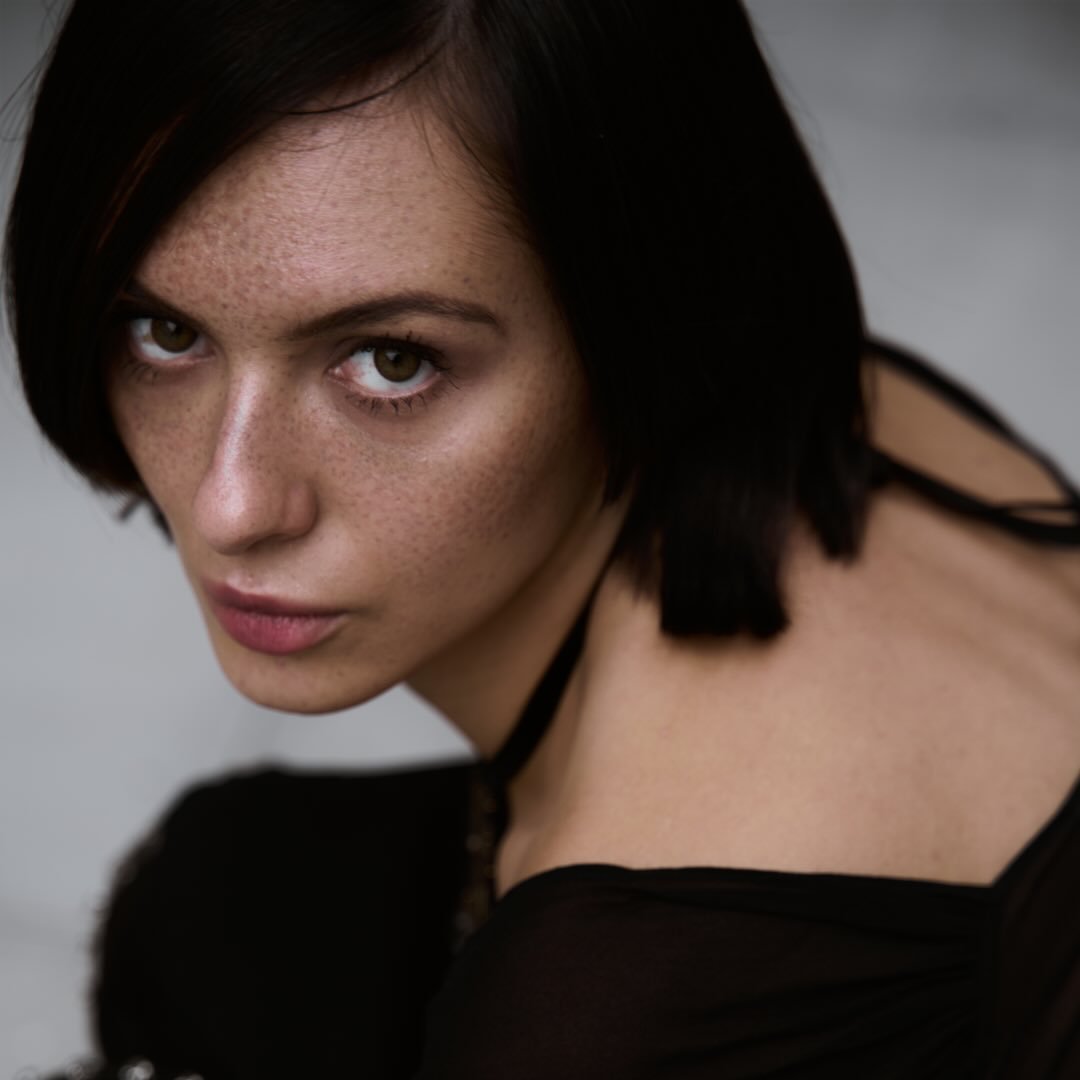
At a festival where jazz meets hip hop and soul flows into house, fashion becomes another form of improvisation. An exploration of personal style, cultural influences and creative freedom at We Out Here.

What happens when fashion begins to follow the same principles as music? When familiar influences take on new meaning, and unexpected combinations give rise to something entirely original?
These were the questions on my mind as I photographed We Out Here, a music and cultural festival set against the picturesque countryside of Dorset.
Founded by DJ and broadcaster Gilles Peterson, We Out Here has grown into something far beyond a conventional music festival. It brings together artists, independent creatives and people for whom music is inseparable from culture and a way of life. Here, live performances are just one part of a wider cultural exchange, connecting different generations and creative disciplines.
As a photographer, I’ve always been fascinated by the relationship between personal style and identity. The way we dress can reveal our tastes, cultural influences, memories and even our outlook on the world. I wanted to explore how people express themselves through clothing in an environment where creativity feels like a natural part of everyday interaction.
I was particularly captivated by the diversity of visual influences around me. Different generations, aesthetics and cultural references seemed to enter into a dialogue of their own, much like the music unfolding around us.
Fashion is often described as cyclical, but I don’t believe it ever truly repeats itself. Each generation inherits a visual language and adapts it to its own time. What was once associated with a particular era or subculture can be perceived in an entirely different way today. The past becomes less a blueprint to follow and more a source of inspiration.
At We Out Here, this transformation was especially apparent. There was no single idea of what a festivalgoer should look like. Practical clothing sat alongside eccentric details, nostalgic influences took on a contemporary edge, and conventional expectations around age and gender seemed to lose their relevance.
What struck me most was how effortlessly people combined seemingly contrasting elements. Their outfits didn’t feel like attempts to recreate a particular era or follow the latest trend. Instead, each look seemed to reflect the personal experiences, mood and character of the person wearing it.
This was exactly what I wanted to capture through my photography. Not simply interesting outfits, but the people behind them: their confidence, spontaneity, attention to detail and ability to turn even the most familiar pieces into something uniquely their own.
Gradually, the parallels between fashion and musical improvisation became increasingly clear to me. A DJ might take a familiar track, blend it with an unexpected rhythm and create an entirely new sound. A jazz musician can transform a melody by shifting its mood and character. Something similar happens with clothing: cultural codes retain traces of their origins, yet acquire new meaning through the people who reinterpret them.
And individuality didn’t seem to be about standing out at any cost. Quite the opposite. I was struck by how naturally such different people could feel part of the same community. There was no need to subscribe to a particular aesthetic to feel a sense of belonging. Everyone brought something of their own, contributing to the festival’s collective atmosphere.

For me, We Out Here offered an opportunity to see fashion not as a succession of passing trends, but as a living, evolving cultural process. Behind every look lies a combination of influences, memories and personal choices that cannot be reduced to a single style or era.
Perhaps fashion doesn’t move in circles after all. Instead, it evolves through a continuous exchange between past and present, preserving familiar elements while discovering new possibilities within them.
And at the festival, this felt especially tangible: every look became a remix of its own, where cultural heritage met individuality, and the familiar was transformed into something unexpected.


Comments