
Getting Ready for a Day That Isn’t Coming

When chronic illness reduces the day, the ritual of getting ready can become an unexpected way of reclaiming it.
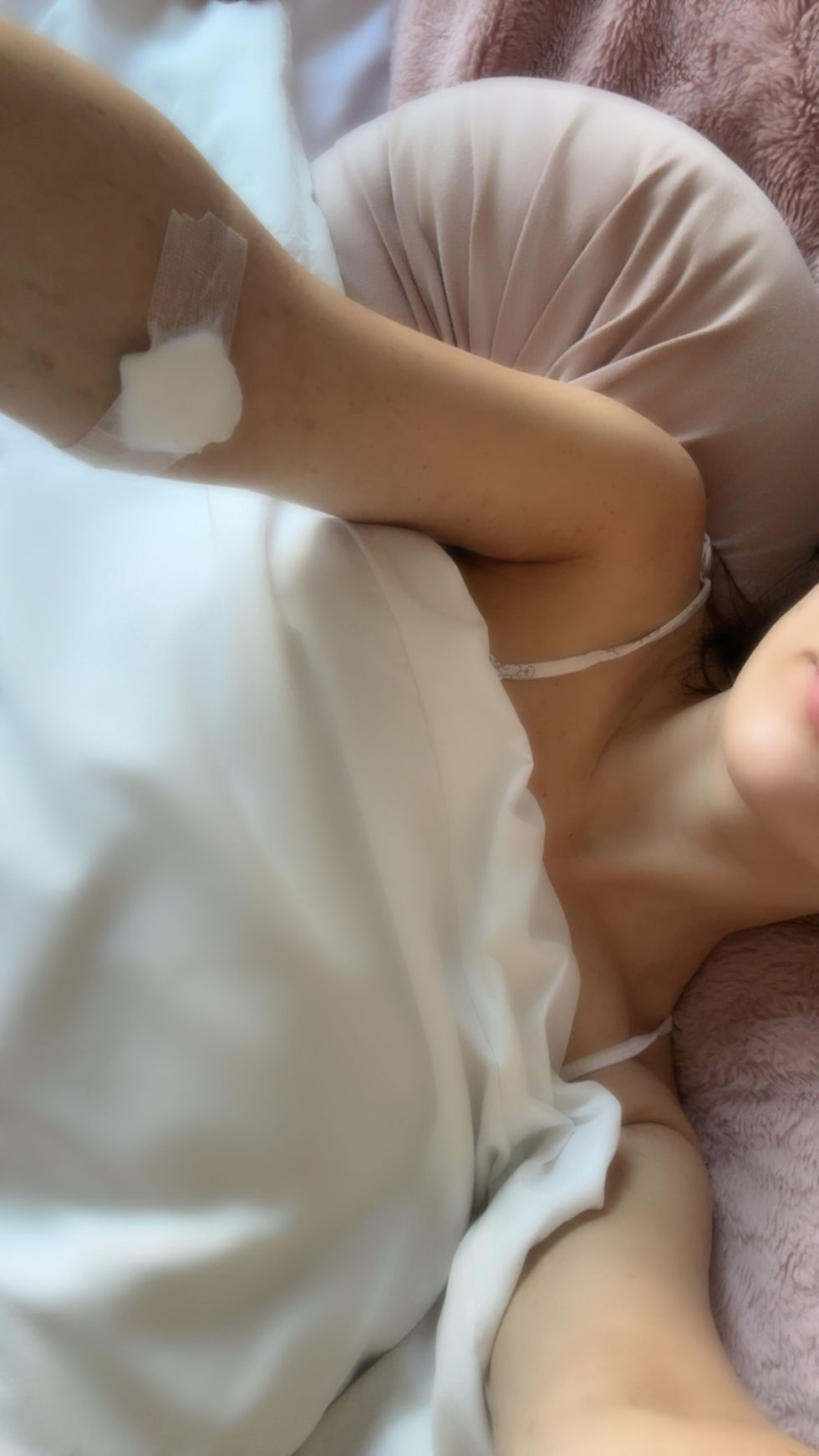
Some days, getting ready is the only thing I get ready for. There is a particular kind of disappointment in cancelling a day before it has properly begun. Plans disappear from the calendar, apologetic messages are sent, and the outfit you had already constructed in your head suddenly has nowhere to go.
When you live with chronic illness, a day can shrink very quickly. Coffee becomes the sofa. Dinner becomes a rain check. The version of yourself who was supposed to leave the house is replaced by one whose main concern is simply getting through the next few hours comfortably. And yet, on many of those days, I still get ready.
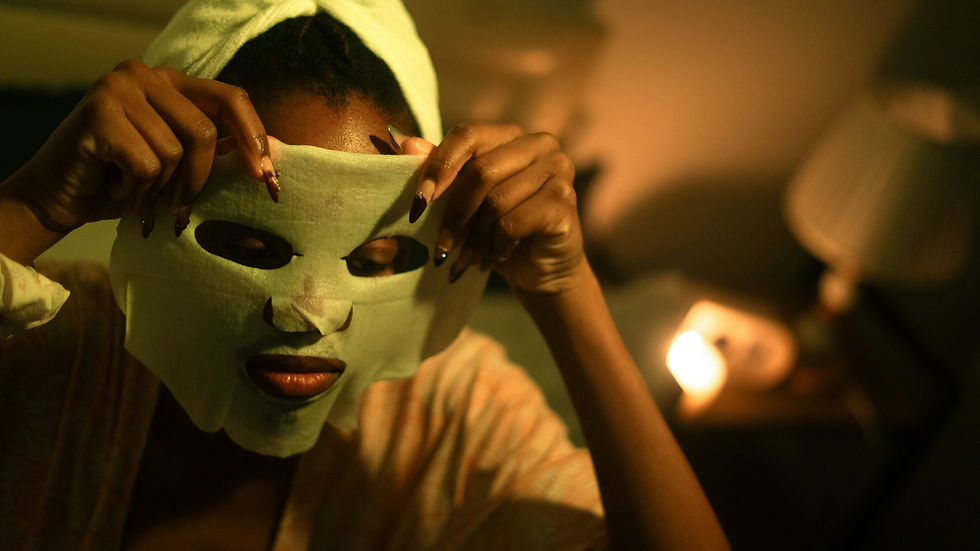
Not necessarily in the conventional sense. There might be no make-up, no carefully considered outfit, no jewellery chosen to finish a look. Sometimes getting ready means cleansing my face, applying skincare, brushing my hair and changing into a fresh pair of pyjamas. It is hardly transformative.
That is precisely the point.
Beauty is so often framed around visibility. We dress because we are going somewhere. We apply make-up because somebody might see us. Clothes are saved for dinners, meetings, dates and occasions important enough to warrant them. Fashion becomes part identity, part presentation: an outward expression of who we would like the world to meet. But what happens to that ritual when there is no audience?
For me, that is when it becomes most interesting. Chronic illness has altered my relationship with getting dressed because it has forced me to consider what clothing and beauty mean when they are removed from performance. When my body has already made decisions on my behalf — you cannot go there, you cannot do that, today needs to look different — the smallest choices begin to carry unusual weight.
Which pyjamas feel nicest against my skin? Do I want to wash my hair? Can I manage my skincare routine? Would changing out of what I slept in make the morning feel less indistinguishable from the night before? None of these things make me well.
A moisturiser cannot negotiate with an uncooperative body. A matching pyjama set does not make cancelled plans less disappointing. There is a danger in presenting beauty rituals as solutions to problems they were never designed to solve, particularly when wellness culture is already so eager to suggest that the right routine can correct almost anything. But a ritual does not need to cure you to matter.
Sometimes its value is simply in creating a distinction: between night and morning, between feeling unwell and feeling consumed by being unwell, between having the day happen to you and participating in it in whatever small way you can. There is a difference between remaining in yesterday’s clothes because everything feels impossible and deliberately changing into something clean and comfortable because that is what your body needs. Visually, the difference may be negligible. Emotionally, it can be enormous.
It has also made me pay more attention to the clothes that rarely enter conversations about fashion. The oversized T-shirt worn on bad symptom days. The cardigan permanently left within reach. The softest pair of trousers you own. The matching pyjamas that somehow make staying in bed feel less like surrender.
They are not particularly aspirational pieces. They are unlikely to appear on a runway or become somebody’s most-saved Pinterest image. But perhaps that makes them some of the most honest clothes we own. Fashion does not cease to be fashion simply because nobody else sees it. If anything, clothing chosen without an audience reveals something more intimate about our relationship with dress. Without the gaze of another person, the question changes from How do I want to look? to How do I want to feel inside my own body today?
Beauty can operate in much the same way. I have always loved the ritual of skincare, but illness has made me appreciate the routine rather than just the result. There is comfort in a sequence that stays largely the same when the rest of the day refuses to.
Cleanse. Treat. Moisturise. Three small instructions. A beginning, a middle and an end.
When plans are cancelled, time can become strangely shapeless. The landmarks of a normal day disappear. There is nowhere to be at eleven, nothing to get ready for at six, no reason to look at the clock beyond medication, meals or sleep. A routine gives the morning punctuation.
Perhaps this is why conversations around beauty and wellbeing deserve more nuance. Looking after your appearance does not always come from vanity, nor does opting out of it necessarily represent some enlightened rejection of beauty standards. Sometimes a beauty ritual is simply familiar. Sometimes putting on a favourite product makes a person feel more recognisable to themselves. And sometimes, feeling recognisable to yourself matters.
I do not want to romanticise illness into an aesthetic. There is nothing beautiful about losing plans, independence or energy to a body you cannot always predict. Nor should anyone feel required to perform wellness while they are struggling. There are days when rest is the ritual, and that counts too. But I have stopped believing that getting ready requires somewhere to go.
Some mornings, the routine ends with an outfit, shoes and a bag over my shoulder. Other mornings, it ends with freshly moisturised skin, brushed hair and clean pyjamas before I climb straight back into bed. Both are acts of preparation. Just for different versions of the day.
Because getting ready does not always have to mean preparing yourself to be seen by the world. Sometimes, it is how you return to yourself when the world has temporarily become very small.

Comments