
Angel McCoughtry Enters Her Next Creative Arena

For most of her life, Angel McCoughtry knew the unmistakable rush of stepping into an arena: the noise of a sold-out crowd, the pressure of the moment, and the understanding that years of preparation had led to a single opportunity to perform. She never expected to find that feeling anywhere else, until she walked onto a film set.
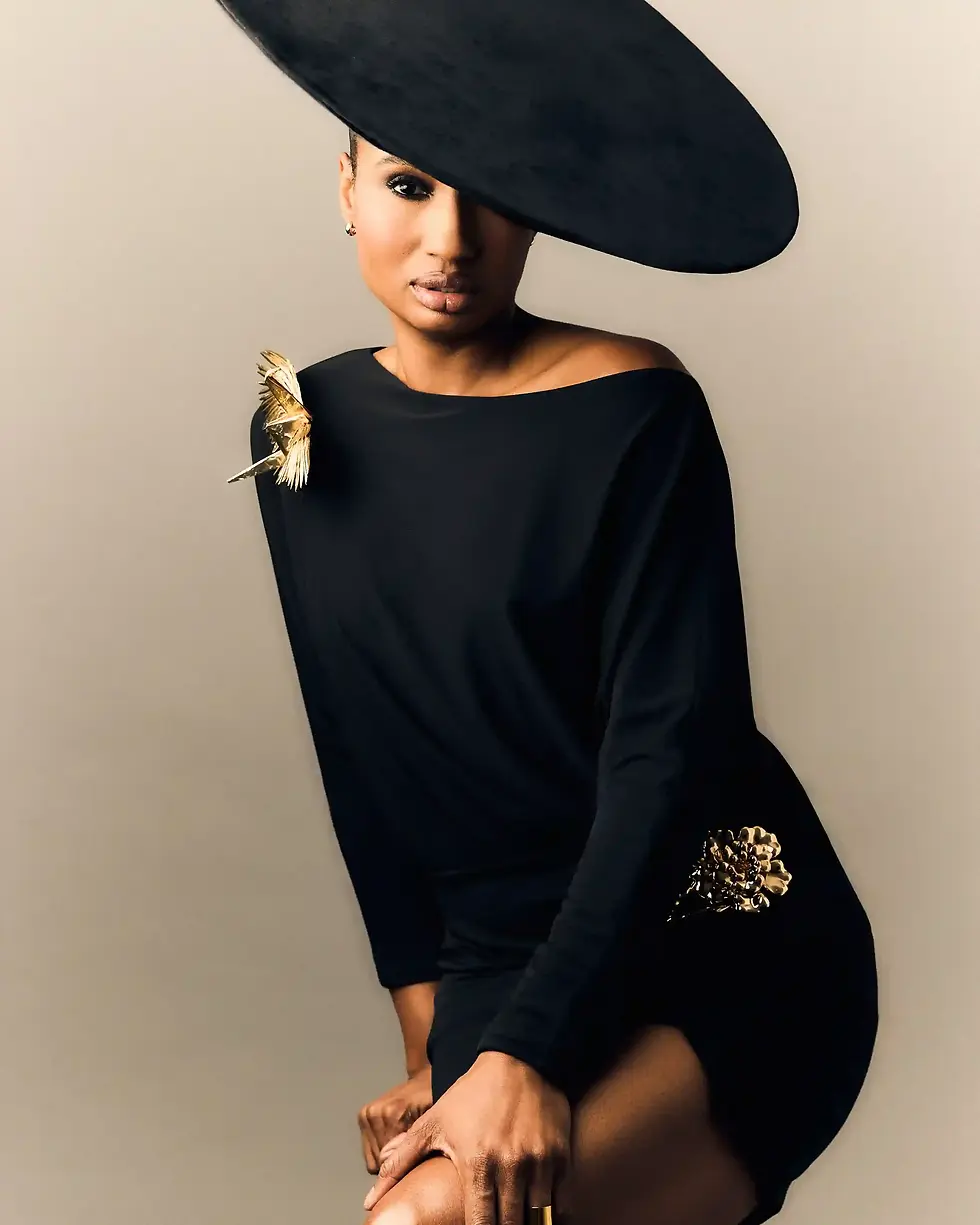
What began as a creative discovery during a period of injury and uncertainty has since developed into a serious second career. Through McCoughtry Entertainment, the WNBA legend, two-time Olympic gold medalist, and five-time All-Star is building a multidisciplinary body of work spanning film, television, documentary, animation, sports media, and podcasting. Her debut short film, Bygones, introduced her interest in emotionally complicated characters and stories rooted in forgiveness, grief, and difficult choices. Now, she is expanding that vision with Bolted, a psychological thriller that marks her feature directorial debut.
Although the setting has changed, McCoughtry’s instincts remain familiar. Directing, like basketball, requires trust, collaboration, adaptability, and an ability to understand what each member of a team needs in order to succeed. As she moves between scripted storytelling, candid conversation, and continued advocacy for women’s basketball, McCoughtry is proving that reinvention does not mean abandoning the person you once were. It means carrying every lesson forward into the next arena.
You've said that directing gave you the same adrenaline rush as basketball. Do you remember the exact moment when you realized filmmaking wasn't simply a new interest, but something you wanted to pursue seriously?
I do. The first time I stepped onto a film set and watched something that had only existed in my imagination come to life, I felt the exact same adrenaline I used to feel walking into a sold-out arena before tipoff. It wasn't just excitement—it was purpose. In basketball, you spend years preparing for a single moment, and filmmaking demands that same level of discipline, collaboration, and trust. I realized I wasn't simply fascinated by the process; I wanted to master it. That's when I knew this wasn't a side passion. It was the beginning of my next career.
That creative discovery came during a difficult period of injuries, uncertainty, and having to imagine a life outside the rhythm of professional basketball. Looking back, do you think storytelling helped you reconnect with a part of yourself that had been waiting to come forward?

Absolutely. Injuries force you into a conversation with yourself that you've probably been avoiding. When basketball is suddenly taken away, you're left asking, "Who am I without this?" Storytelling became the place where I could process those questions. It allowed me to explore fear, identity, disappointment, resilience, and hope in ways I never had before. Looking back, I realize that creative voice had always been there—I had simply been too focused on performing as an athlete to hear it. Filmmaking gave that part of me permission to speak, and once it did, I couldn't ignore it.
Your first short film, Bygones, explored ambition, forgiveness, and an unexpected friendship between two people from very different worlds. What did making that film teach you about the kinds of characters and emotional conversations you're naturally drawn to?
It taught me that I'm drawn to people who are complicated. The characters that interest me most aren't heroes or villains—they're people wrestling with regret, forgiveness, grief, or impossible choices. Those are the stories that stay with us because they're honest. Bygones reinforced that I want to tell stories that invite empathy, where audiences may not agree with every decision a character makes but can still understand why they made it. To me, that's where the most meaningful conversations begin.
Now you're taking a major leap with Bolted. What was it about this particular psychological thriller that made you say, "This has to be my first feature"?
Because it offered everything I was looking for in a first feature. On the surface, Bolted is an intense psychological thriller that keeps audiences guessing, but underneath it's really an exploration of guilt, trauma, accountability, and survival. Those emotional layers were what attracted me. I wanted my first feature to prove that entertainment and substance don't have to compete with one another. If people leave the theater talking not only about what happened, but about what it says about human nature, then we've accomplished something meaningful.
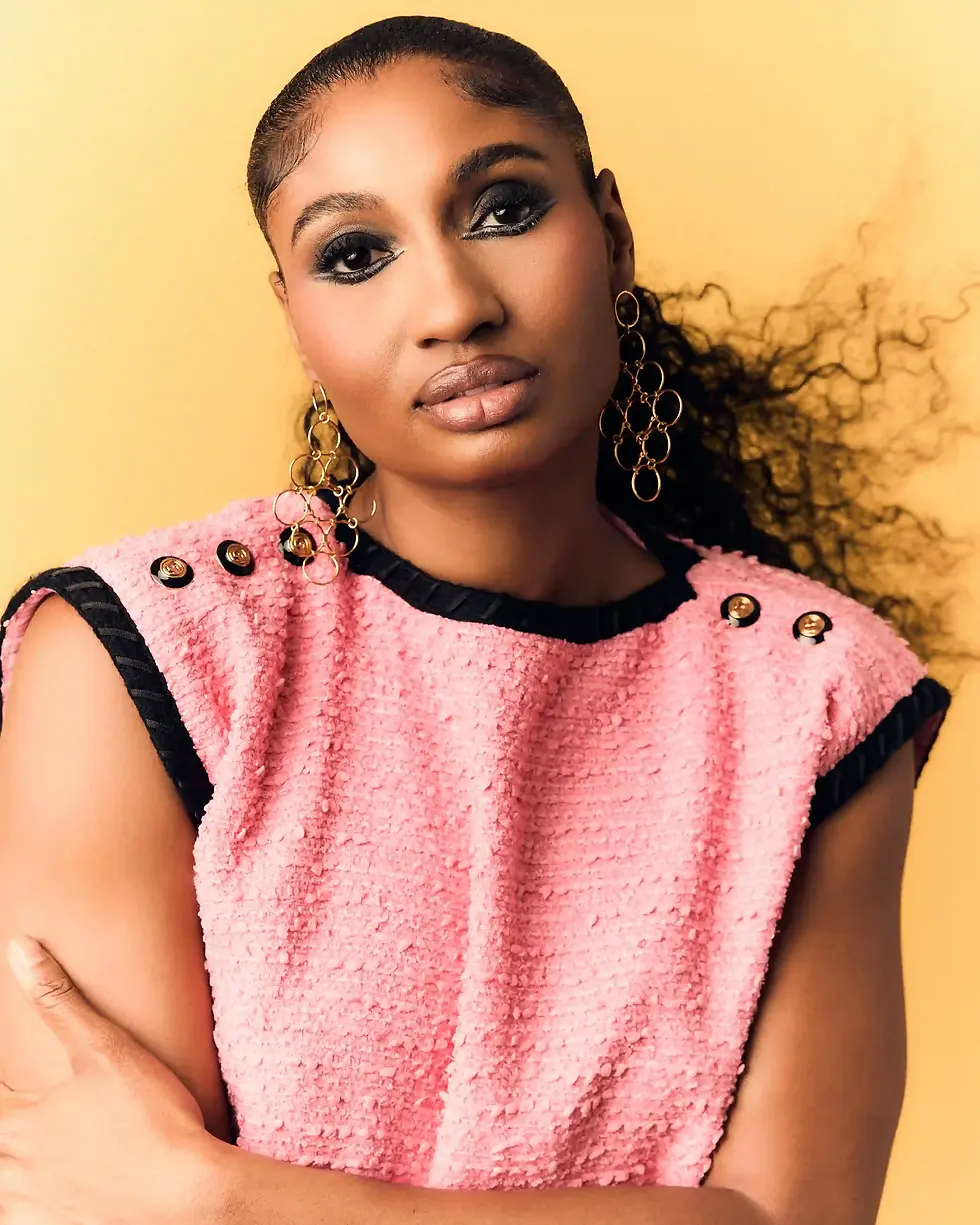
Bolted places strangers inside a sealed, high-tech space where memory, guilt, and reality begin to unravel. Without giving too much away, what questions do you hope audiences are asking themselves as they watch the story unfold?
I hope they're constantly asking themselves, "What would I do if I were in this situation?" and "Can I really escape the choices I've made?" We all carry memories we'd rather forget, moments we'd like to rewrite, and parts of ourselves we try to hide. Bolted explores whether our biggest battles come from the outside—or whether they're the ones happening inside our own minds. If audiences find themselves reflecting on their own lives long after the credits roll, then the film has done its job.
What was going through your mind when you stepped onto the Bolted set and saw this much bigger world—your cast, crew, locations, and equipment—coming together around an idea you had helped create?
Honestly, I felt an overwhelming sense of gratitude and responsibility. One idea had grown into an entire world filled with talented artists, technicians, and performers who were trusting me to lead them. That was incredibly humbling. It also reminded me that directing isn't about control—it's about creating an environment where everyone feels empowered to contribute their best work. Seeing that vision become reality reinforced that filmmaking is the ultimate team sport, and I was grateful to be surrounded by people who believed in the story as much as I did.
The cast brings together Sharon Carpenter, Marley Goldberg, Umar Sadiq, and Destin Tucker in his feature-film debut. What did you see in each of them that made you trust them with such psychologically demanding characters?
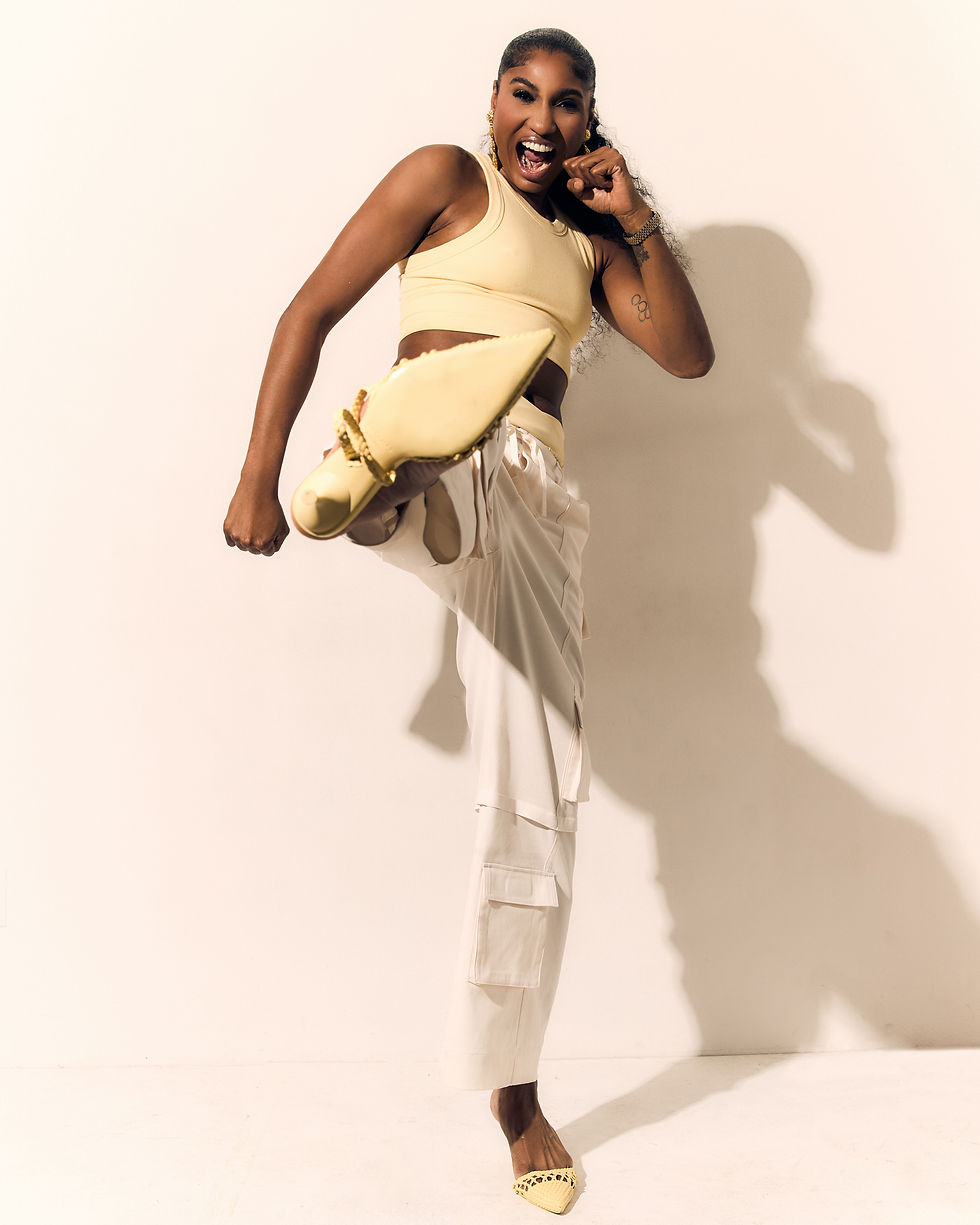
I wasn't just looking for great actors—I was looking for people who could bring emotional honesty to every scene. Sharon has an incredible presence and emotional intelligence that immediately grounds a character. Marley brings vulnerability in a way that feels incredibly authentic. Umar has a quiet intensity that naturally creates tension without forcing it, and Destin walked in fearless, completely committed to the emotional demands of the role. Psychological thrillers only work if audiences believe the people at the center of them, and I knew this cast could deliver that authenticity.
You've spoken about learning which teammates needed a challenge and which needed encouragement. Has directing actors required you to use that same instinct, or have there been parts of your leadership style that you've had to completely rethink?
Very much so. Basketball taught me that every teammate responds to leadership differently, and directing has reinforced that lesson every single day. Some actors thrive with detailed direction, while others need space to discover something on their own. My job isn't to treat everyone the same—it's to understand what each person needs to succeed. If anything, filmmaking has made me an even better listener. Sometimes the best direction you can give isn't saying more—it's creating the space for someone else to find the moment themselves.
Through McCoughtry Entertainment, you're building across sports stories, documentaries, thrillers, television, and now animation. What is the creative thread that has to run through a project before it feels like something your company should make?
Every project has to make people feel something. The genre is secondary. Whether it's a sports documentary, a psychological thriller, animation, or television, I'm looking for stories that explore the human experience in a meaningful way. At McCoughtry Entertainment, we're interested in stories that entertain, but we also want them to spark conversations, challenge perspectives, or inspire someone to see themselves differently. If a project has heart and leaves a lasting emotional impact, that's something we want to be part of.

You've also been bringing your voice back to basketball through Court Vision. After watching the women's game evolve from both inside and outside the league, what do you think the media still misunderstands about women's basketball and its players?
I think people are finally recognizing the level of talent, but they still underestimate how multidimensional these athletes are. Women's basketball players aren't just elite competitors—they're entrepreneurs, business owners, activists, storytellers, and leaders within their communities. They've been building brands and creating impact long before the spotlight caught up. The game has always deserved this level of attention; what's changing now is that the world is finally paying attention. And I truly believe we're only at the beginning of what's possible for women's basketball on a global stage.
Between Court Vision and the Angel & Mr. Echo Podcast, audiences are hearing a more candid and playful side of you. What can you express through an unscripted conversation that you can't necessarily communicate through a film?
Film allows me to communicate through characters and carefully crafted stories. A podcast strips all of that away. It lets people experience my personality, my humor, my curiosity, and even my imperfections in real time. There's something refreshing about having genuine conversations where you can react, laugh, learn, and be surprised. I think that's what audiences connect with—they're not just hearing my opinions, they're getting to know the person behind the accomplishments.
You've already made history in so many different arenas, but now you're creating opportunities for young athletes and storytellers to imagine themselves behind the camera too. When they look at the path you're building, what do you hope no longer feels impossible to them?
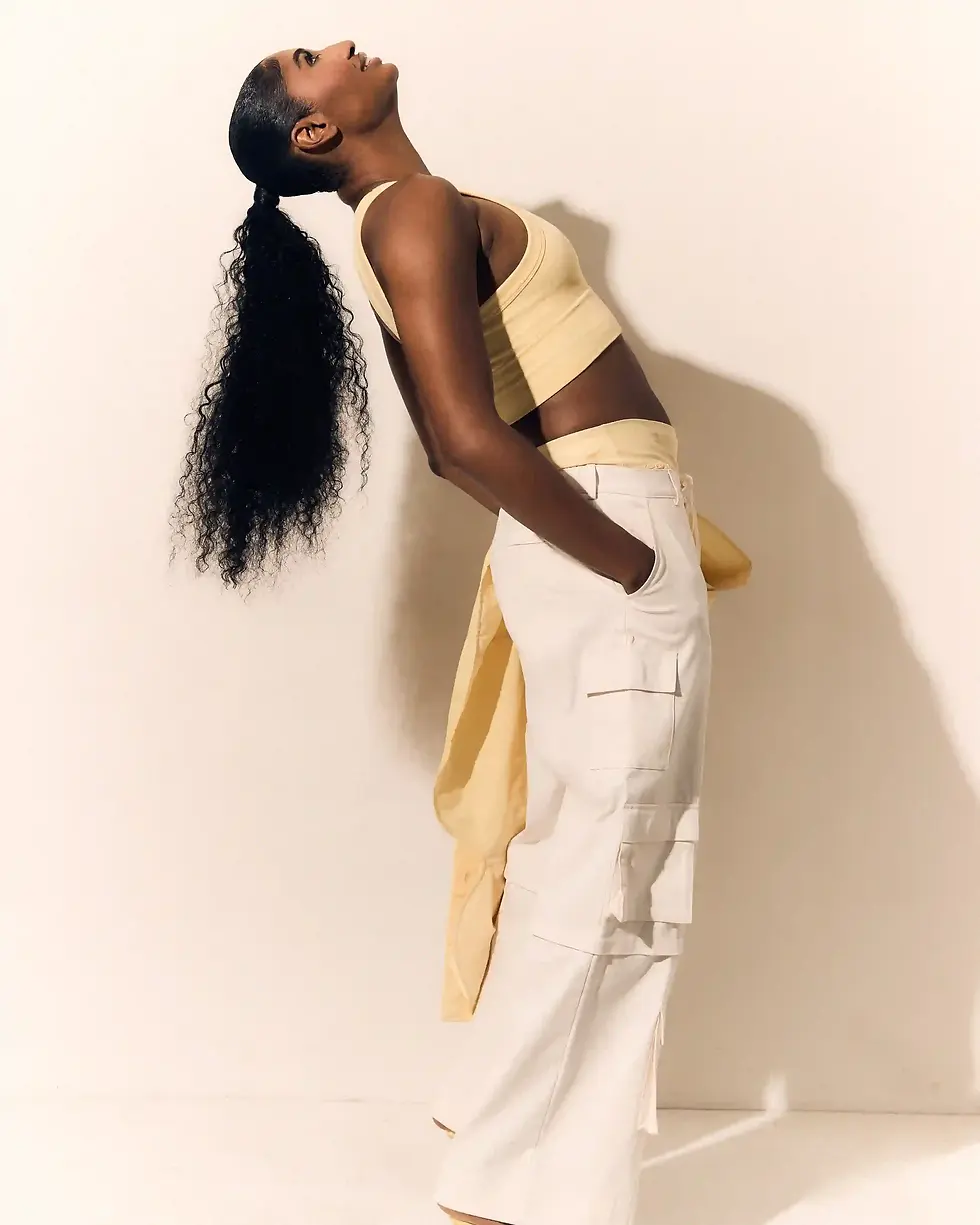
I hope they realize they never have to limit themselves to one identity. Society often tells people to stay in one lane, but our lives aren't meant to be that small. You can be an athlete, a business owner, a filmmaker, a creator, and continue evolving throughout your life. Reinvention isn't starting over—it's building on everything you've already learned. If my journey helps one young person believe their dreams don't have to compete with each other, then I've accomplished something bigger than any individual achievement. Ultimately, I want the legacy of McCoughtry Entertainment to be about creating opportunities, expanding representation, and proving that there's room for more voices behind the camera telling stories that matter.
Team Credits
Photographer: Timothy Fernandez Stylist: Petar Georgiev
MUA: Mila Thomas
Hair: Sean Fears


Tried out Nano Banana 2 for generating images from text descriptions. The updated version feels more responsive and the output quality has improved noticeably. Works well across different styles from photorealistic to illustrated.
This interview with Angel McCoughtry offers an inspiring look at her experiences and perspective. After reading engaging stories like this, I often play Slope Rider which is a fast-paced game where you guide a ball down a slope while avoiding obstacles.
I hope they realize they never have to limit themselves to one identity. Society often tells people to stay in one lane, but our lives aren't meant to be that small. Basketball Bros can be an athlete, a business owner, a filmmaker, a creator, and continue evolving throughout your life.
Reference page from Gap Factory customer service number I shopped for some new kicks and clothes, and I gotta say, their customer service was top-notch! The staff was super friendly and really helpful, making my shopping experience a breeze. I had a question about sizing, and they went out of their way to find the right fit for me. Plus, the checkout process was quick and easy. Overall, I left feeling satisfied and excited about my new finds!